
Understand the science behind Spinal Flow
Spinal Flow is a gentle, evidence-informed technique that works directly with the nervous system to support the body’s natural ability to heal, regulate, and restore balance. While many people seek care from a chiropractor, osteopath, or through craniosacral therapy, Spinal Flow offers a complementary approach that focuses on neurological regulation rather than treating symptoms alone.
When the body experiences physical, emotional, or chemical stress, it can create restrictions along the spinal cord that disrupt communication between the brain and the body. These disruptions may persist even when structural issues have been addressed by a chiropractor, osteopath, or craniosacral therapy practitioner, often contributing to pain, tension, fatigue, and a prolonged state of nervous system overload.
Spinal Flow works by gently releasing these neurological restrictions, allowing energy and information to move more freely through the nervous system and supporting the body’s return to balance and optimal function.
How Spinal Flow Works
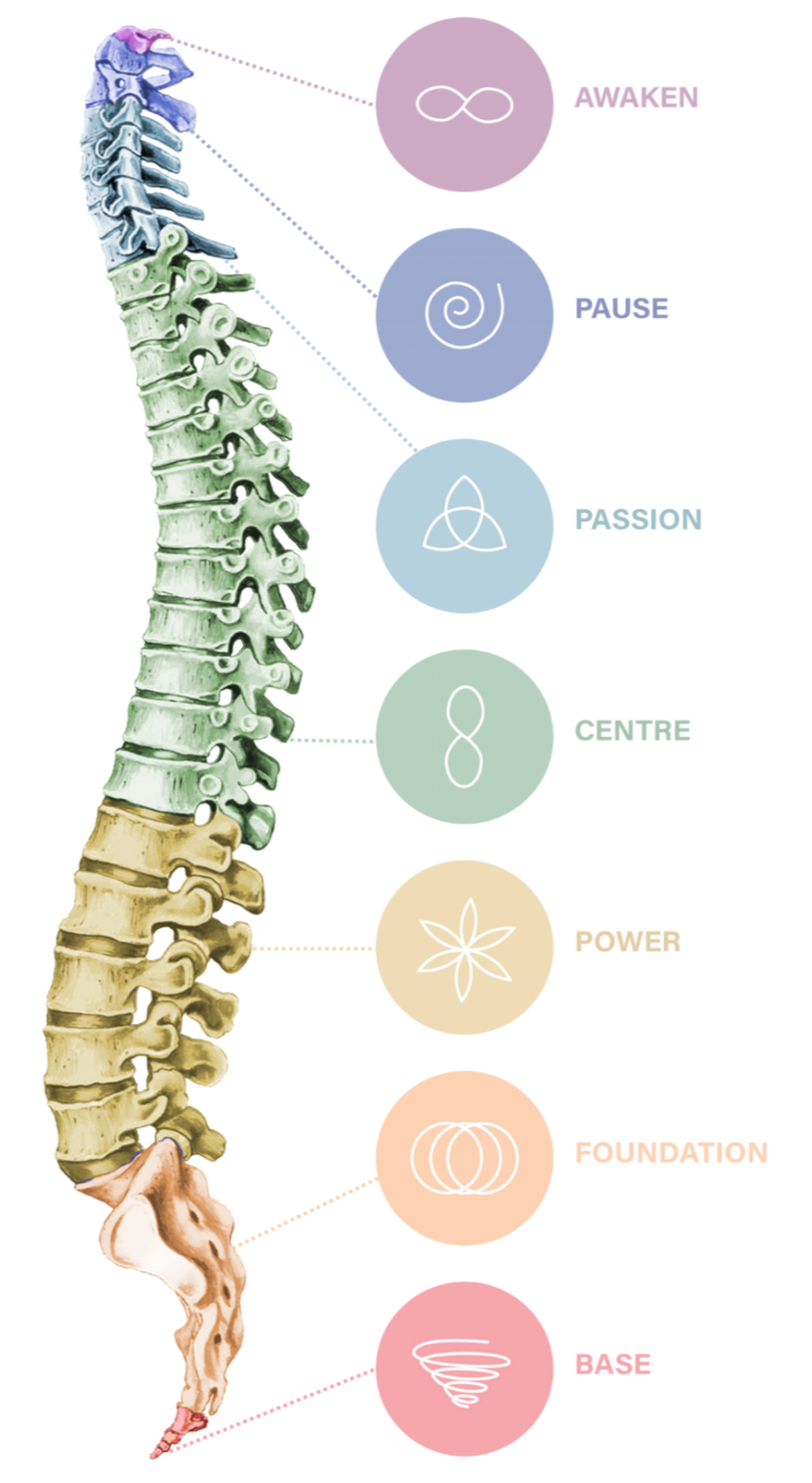
The Spinal Flow Technique is built around the understanding that the spine holds seven key “Gateways” — areas where the nervous system can either flow freely or become blocked by stress, tension, and past experiences. These Gateways reveal how well your body is communicating within itself, and where it may be holding physical or emotional strain.
During a Spinal Flow session, light touch is applied to specific access points within these Gateways along the spine. These points assist the body in recognising and releasing stored stress. Rather than forcing the body to change, the technique gently invites it into a state of safety, relaxation, and self-correction.
This process helps to:
Calm the nervous system
Improve spinal mobility and alignment
Release physical pain and tension
Support emotional regulation
Restore the body’s natural rhythm and balance
As the spine begins to move with greater ease, the entire system can shift out of fight, flight, or freeze and into rest, repair, and healing.
Benefits of Spinal Flow
Clients experience improvements in:
Chronic pain and tension
Stress and anxiety
Sleep quality
Energy levels
Emotional clarity and resilience
Posture and mobility
Spinal Flow is suitable for people of all ages and backgrounds as it has no contra-indications, and can be used alongside other therapeutic or wellness approaches.
Spinal Flow does not force the body. It works with your body’s innate intelligence, allowing healing to unfold at a pace that feels safe and sustainable. Each session is unique and tailored to your body’s needs, supporting both immediate relief and long-term transformation.
You can read more about the Spinal Flow technique via the following links:
Dr Carli Axfords (Founder) Spinal Flow website: spinalflowtechnique.com
Spinal Flow Technique Instagram page: instagram.com/spinalflow.technique/
Spinal Flow Technique YouTube page: https://www.youtube.com/@SpinalFlowTechnique
Frequently asked questions about Spinal Flow
-
Spinal Flow is a gentle, non-invasive technique that works directly with the nervous system. Through light contact on specific access points the body’s natural, innate spinal motion becomes activated. This wave supports the release of tension and facilitates improved communication along the nervous system.
It expresses itself through three primary responses: subtle body movement, increased sensory awareness, and changes in breathing patterns. Many clients describe feeling an internal shift and a stronger sense of connection to their body as the wave progresses.
This spinal wave helps the body release stored tension, improve communication along the spine, and restore natural balance. The process supports the body’s innate ability to heal and function optimally.
For more information please watch the video by Dr. Carli, which explains and demonstrates the Spinal Flow wave: https://youtu.be/GD41fatT3sQ
-
Yes. Spinal Flow is a very safe technique suitable for people of all ages. Because it does not involve force, manipulation, or structural adjustments, it is well tolerated even by those with chronic pain, sensitivities, or mobility challenges.
-
I support clients of all ages who present with a wide range of symptoms and levels of dis-ease. Because the Spinal Flow Technique is both gentle and effective, it is suitable for people at every stage of life, including babies, children, pregnant women, older adults, and those living with disabilities
Modern living exposes all of us to ongoing stress — physical, emotional, and chemical. Much of this stress is processed and stored within the spinal cord, often in layers the body postpones dealing with until it feels safe to do so.
Regular Spinal Flow sessions help the nervous system release these accumulated layers, promoting healthier function, improved resilience, and healing.
-
Spinal Flow does not diagnose or treat medical conditions. Instead, it works by supporting the nervous system — the body’s central communication and regulation system which influences physical function, emotional balance, and neurological responses.
As a result, clients seek Spinal Flow care for a wide range of concerns, including pain or discomfort, chronic tension, fatigue, stress, overwhelm, posture challenges, and nervous system dysregulation, as well as emotional or stress-related symptoms that affect overall wellbeing.
-
A Spinal Flow session is a gentle, non-invasive process that supports the nervous system in releasing tension and improving spinal function.
After a brief check-in, you’ll lie fully clothed on the treatment table while specific areas of the spine and sacrum are assessed for blockages. Light contact on access points helps the body shift from stress to safety, often creating subtle movement, deeper breathing, or a sense of softening.
Each session ends with a short integration period and a review of observations to support your ongoing progress.
-
Clients commonly report feeling relaxed, calm, and supported. You may notice warmth, tingling, muscle twitching, gentle waves of movement, or emotional release as tension shifts.
Every response is unique, and all sensations are normal. These responses indicate the nervous system is processing and releasing stored tension.
-
A standard appointment lasts approximately 35 minutes and includes a 30-minute Spinal Flow session.
For babies and children under the age of 10, sessions are shorter, as their nervous systems typically require less input to respond effectively. These appointments last around 20 minutes and include a 15-minute Spinal Flow session, ensuring care that is gentle, appropriate, and tailored to their needs.
-
Group Spinal Flow sessions are delivered in a small-group environment (up to 3 people). These sessions provide individual Spinal Flow care while utilising the therapeutic benefit of a shared setting. Many clients experience enhanced regulation and relaxation due to the collective calming effect of multiple nervous systems in the same space.
Private Spinal Flow sessions are one-to-one appointments offering focused assessment and personalised care. This format is suitable for clients who require a more detailed evaluation or prefer a quieter, individual environment, though it does not provide the collective regulatory benefits of group work.
-
Spinal Flow differs from care provided by a chiropractor, osteopath, or craniosacral therapist in both focus and method. While chiropractic and osteopathic care primarily address the structure of the body, including joints, muscles, and alignment, and craniosacral therapy works with subtle cranial and sacral rhythms, Spinal Flow works directly with the nervous system to support regulation and communication throughout the body.
A chiropractor typically uses manual adjustments to restore joint mobility, and an osteopath may use hands-on techniques to improve musculoskeletal function and circulation. Craniosacral therapy involves gentle contact to influence the craniosacral system. Spinal Flow, by contrast, does not involve manipulation, adjustment, or force. Instead, it uses light contact on specific access points along the spine, sacrum, and cranium to help the nervous system release stored stress and reorganise naturally.
Spinal Flow focuses on resolving underlying neurological stress patterns that may persist even after structural care from a chiropractor, osteopath, or craniosacral therapy practitioner. These patterns can interfere with brain-body communication and contribute to pain, tension, fatigue, and chronic stress responses.
-
Every individual’s nervous system and body respond differently, making each healing journey unique.
For long-standing or acute issues, more frequent sessions may be recommended initially to help release stored tension and support the body’s natural healing processes. As the body recalibrates and balance is restored, session frequency can be gradually reduced.
Clients’ schedules are tailored to their needs — I create a personalised plan for every client that aligns with their body and their path to wellness.
-
Some clients notice changes immediately; others experience gradual improvements over several sessions. Results depend on factors such as how long tension has been present, stress levels, and overall health. Consistency helps the body integrate and maintain positive changes.
-
Responses vary. You may feel lighter, more relaxed, or more energised. Some clients experience temporary soreness, emotional release, or increased awareness of their body as tension shifts. These are normal signs of the nervous system reorganising.
-
The Spinal Flow Technique is built around the understanding that the spine holds seven key “Gateways” — areas where the nervous system can either flow freely or become blocked by stress, tension, and past experiences.
These Gateways reveal how well your body is communicating within itself, and where it may be holding physical or emotional strain.
You can read more about the 7 Gateways here: Spinal Flow 7 Gateways Explained.
-
Access points are precise areas along the sacrum, spine, and cranium. Light touch on these points helps the nervous system identify and release blockages, allowing better communication between the brain and body. This is what enables the system to reorganise and heal.
-
Lying face down is preferred, but not essential. Spinal Flow can be performed in various positions, including on your back, your side, or seated upright. The technique is adaptable to ensure comfort and accessibility for everyone.
-
Pricing depends on the type of session and care plan however a standard 35 minute Spinal Flow appointment is €35 per person in a group or €60 for a private 1:1 session.
Babies and small children (under 7) require shorter sessions and these appointments are 20 minutes and cost €20 per person in a group/ €40 for a private 1:1 session.
Please contact me for full details or to discuss the best option for your needs.
Contact Me
If you are considering Spinal Flow, whether through an individual session, an immersive, or a retreat, your care will always begin with a comprehensive consultation and assessment.
For clients booking individual sessions, this assessment takes place as a dedicated initial appointment. For those attending an immersive or retreat, the same assessment process is conducted at the beginning of the programme and integrated into the experience, rather than as a separate appointment.
This consultation provides a structured opportunity to review your health history, assess spinal and postural patterns, and explore your current presentation and goals. It ensures that Spinal Flow is appropriate for your needs and allows care to be delivered safely, effectively, and in alignment with your individual circumstances.
To enquire, please complete the contact form or contact me via email or WhatsApp. Upon receipt of your enquiry, I will be in touch to gather relevant information, answer any questions, and advise on the most appropriate next step prior to confirming your booking.
Email: spinalwellnessmallorca@gmail.com
WhatsApp: +44 7834 603 717